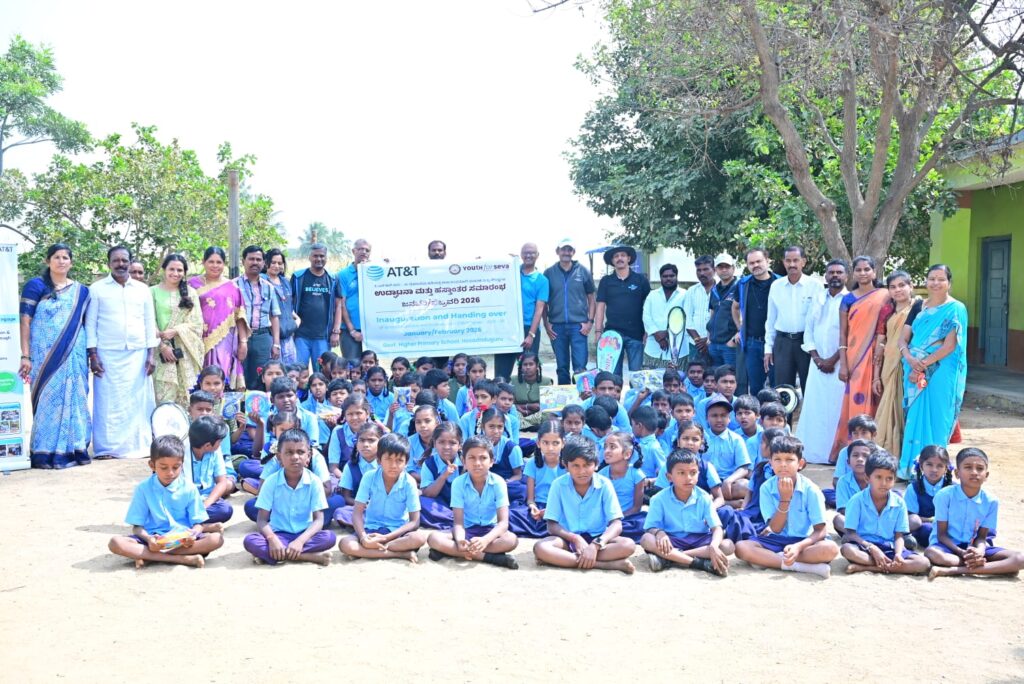
Learning, serving, and growing together. (Youth For Seva & AT&T team with community participants and students of Government Higher Primary School, Hosadadagur )
What defines the success of a rural development initiative? While infrastructure, funding, and technology play important roles, lasting impact emerges when communities themselves take ownership of change. Youth for Seva’s recent engagements in Hosadadaguru (Chitradurga District) and K. Beevanahalli (Davanagere Taluk) stand as a powerful example of how grassroots leadership can transform a CSR initiative into a community-led movement.
If you believe in community-owned development, explore how you can associate with Youth for Seva as a volunteer or partner.
Infrastructure meets community ownership
On 30 January 2026, Youth for Seva facilitated the handover of key educational and community-support infrastructure in these two villages, with generous support from AT&T.
Hosadadaguru Government School was equipped with a Smart Class, Water Purifier, Sports Kit, and solar lighting for the sports ground, while K. Beevanahalli Government School receiveda Smart Class and a Water Purifier.
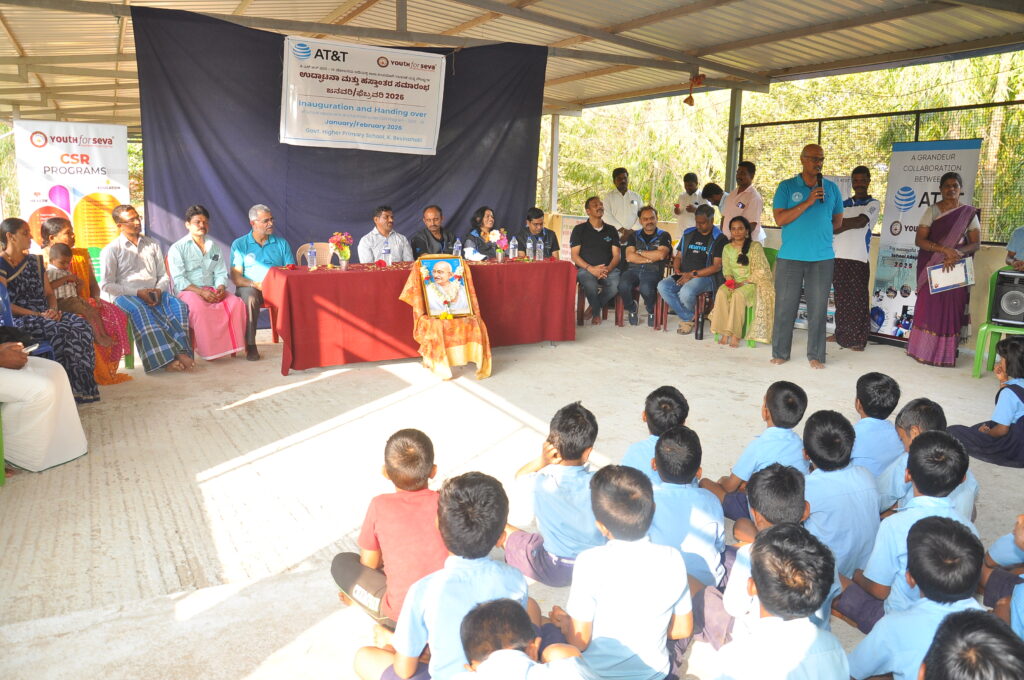
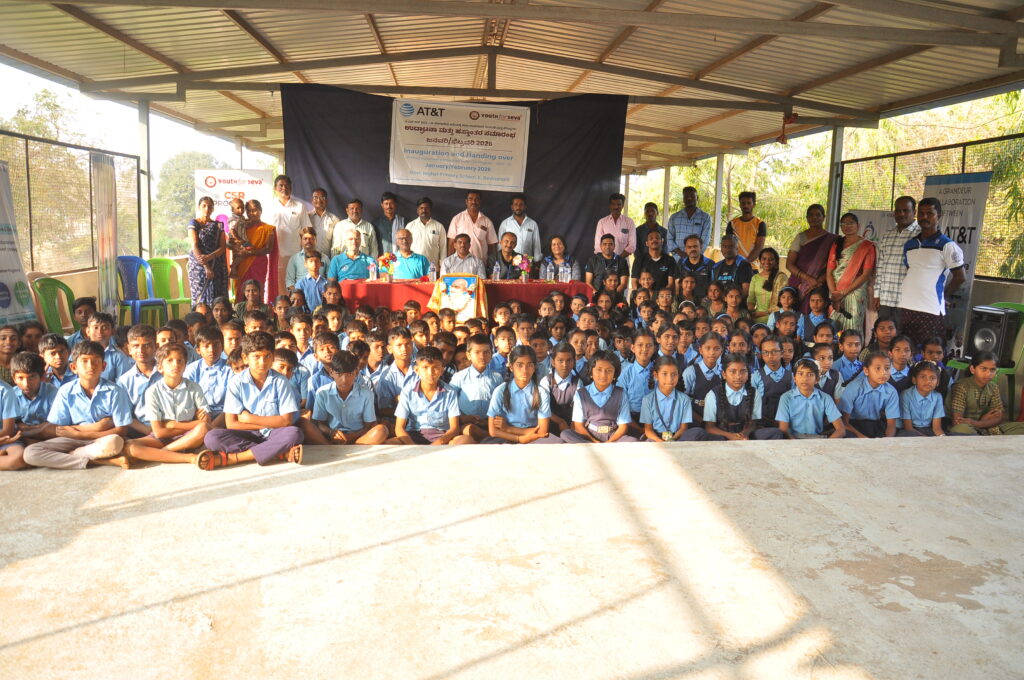
The events were attended by school Head Masters and Mistresses, teachers, SDMC members, residents, community influencers, and enthusiastic students. The initiative was highly appreciated by AT&T, acknowledging the efforts of all stakeholders involved.
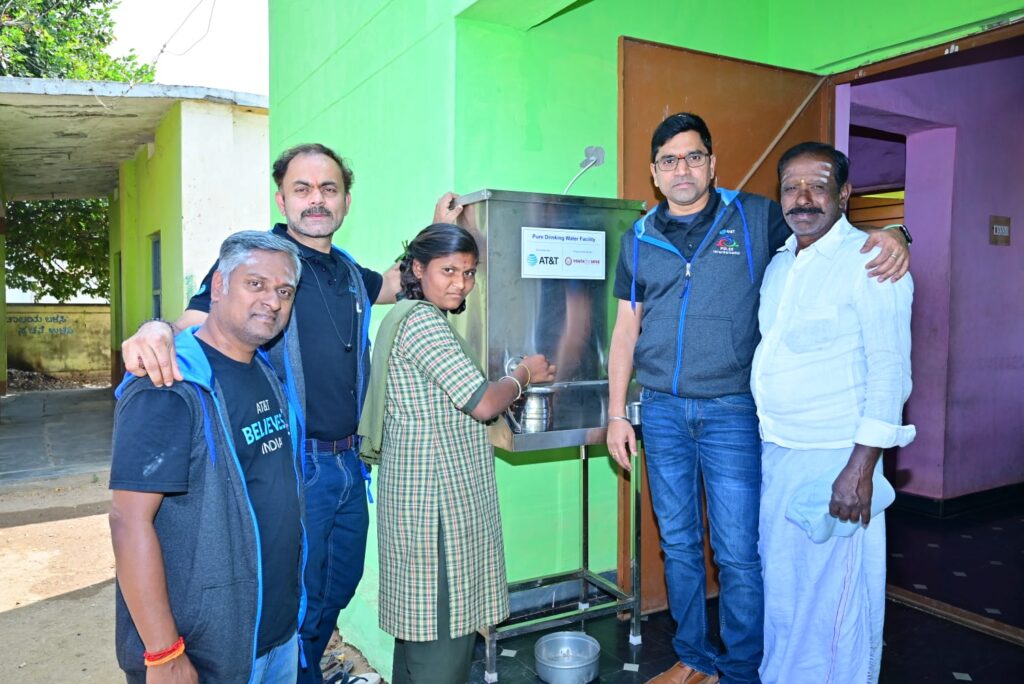
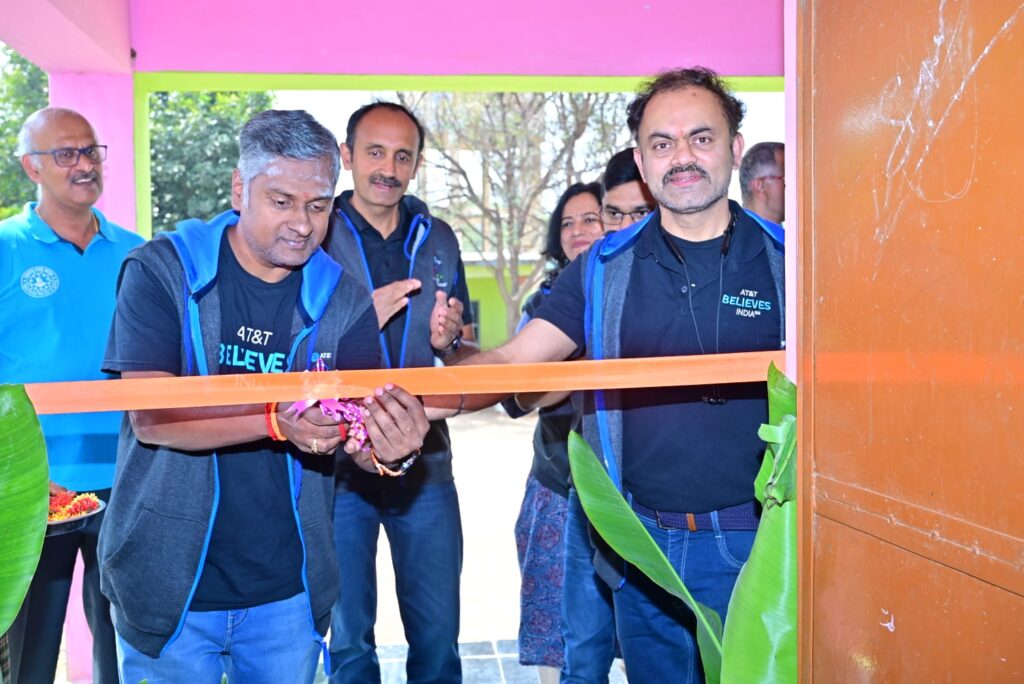
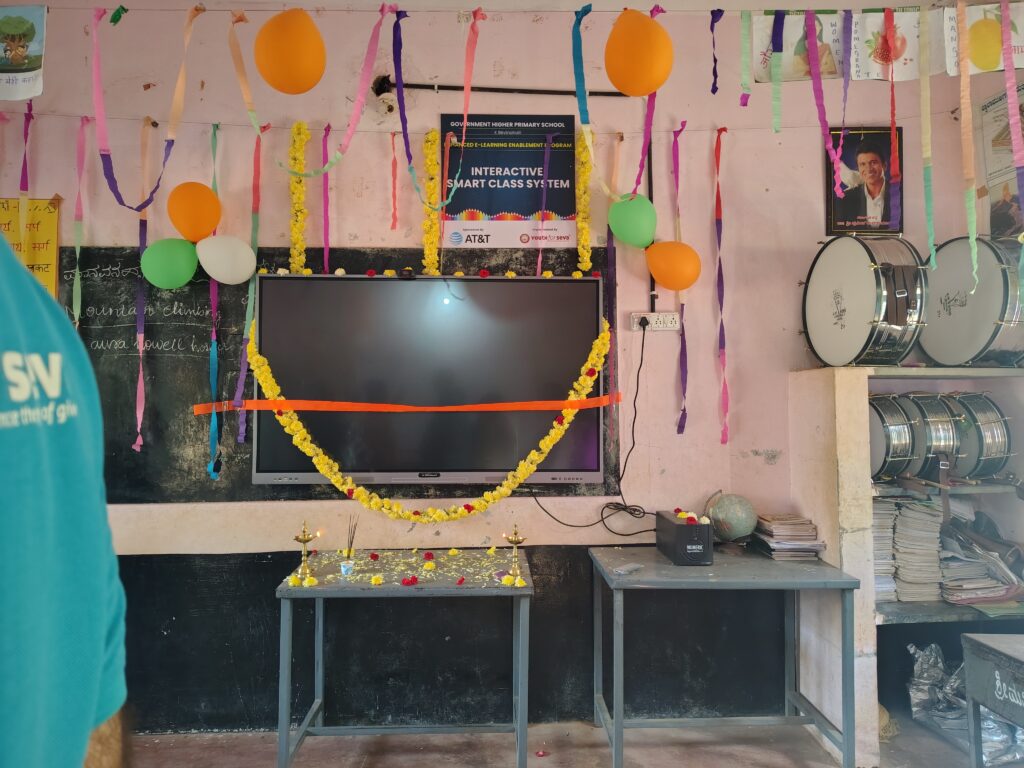
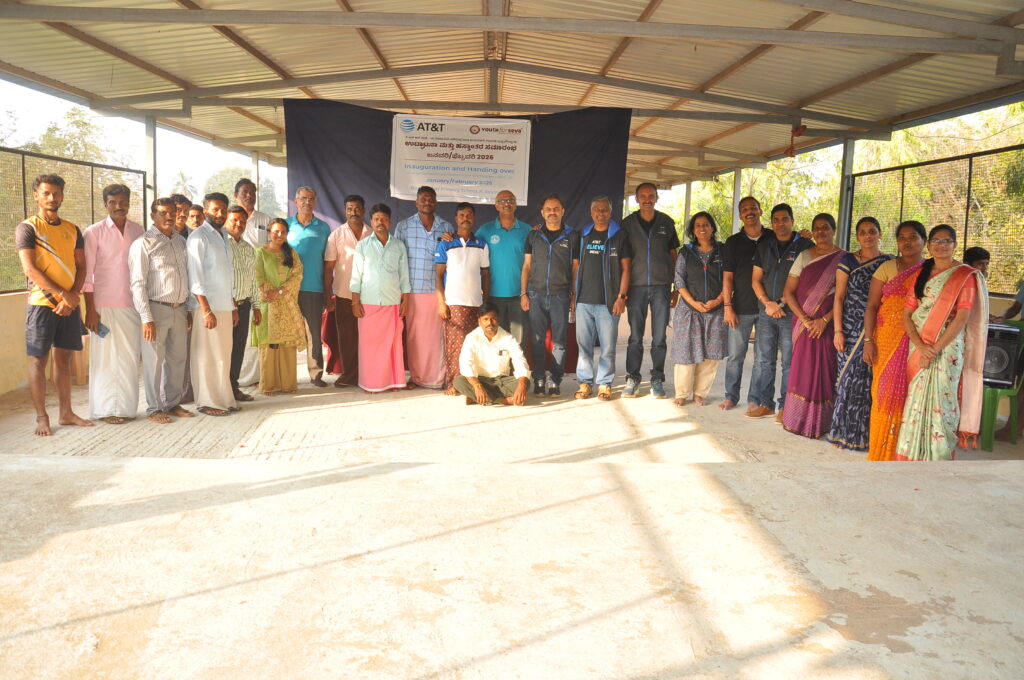
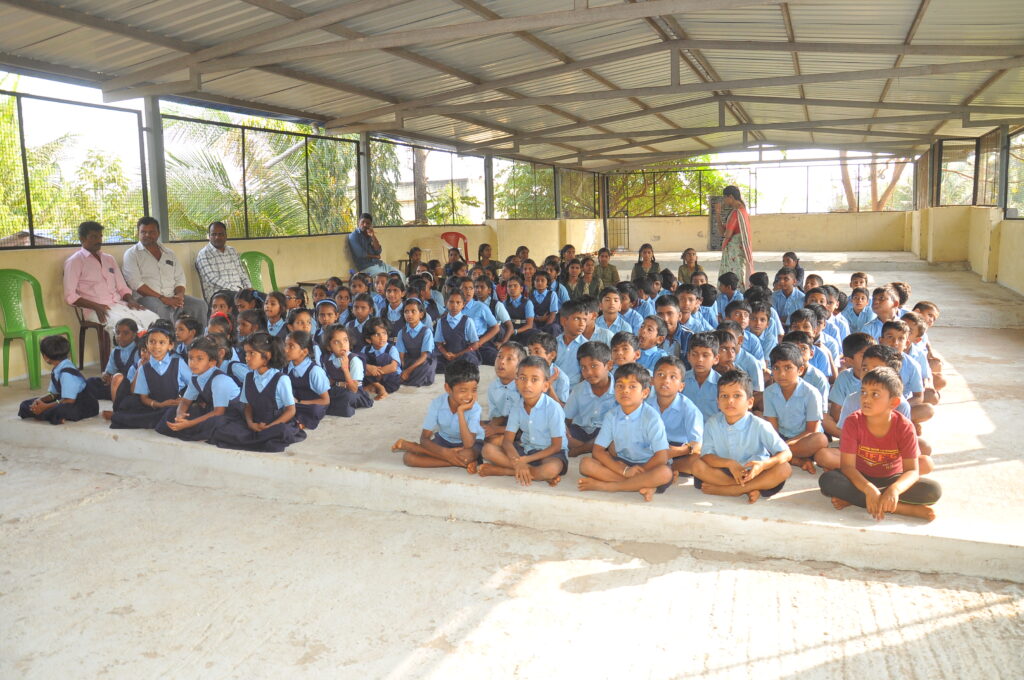
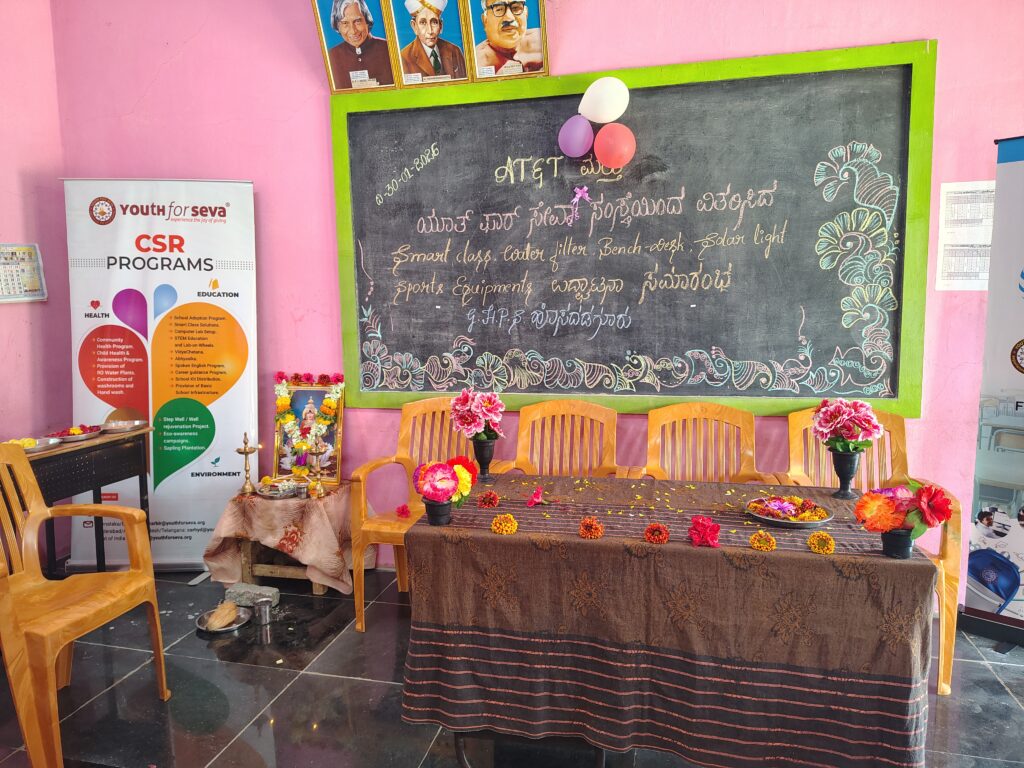
From Safe drinking water to Digital learning – A step towards a better tomorrow.
The Role of Swagram Mitras
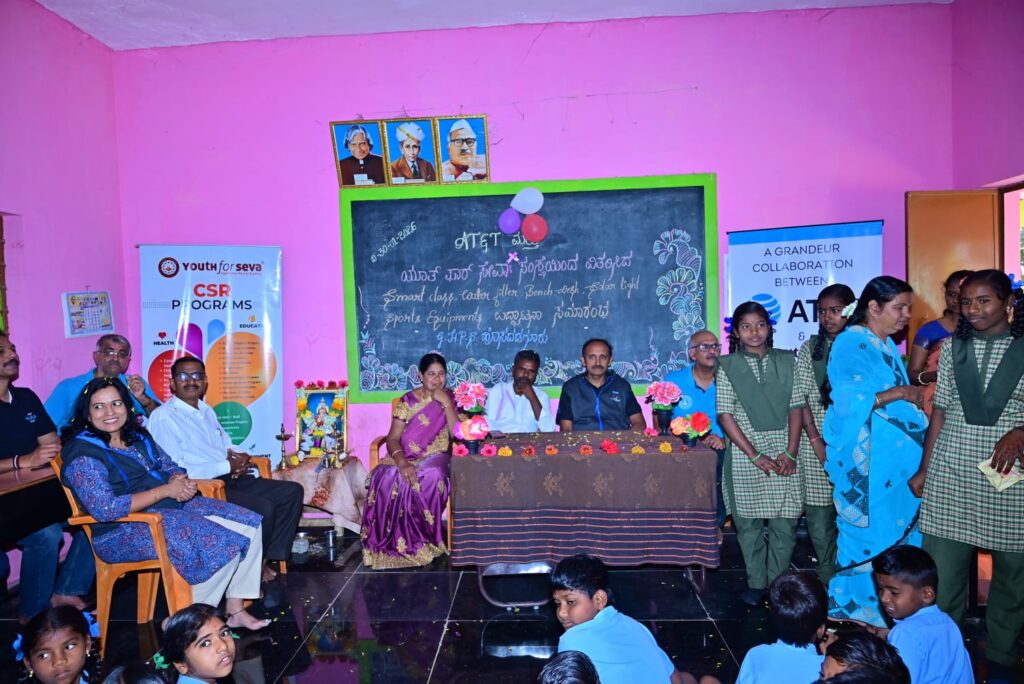
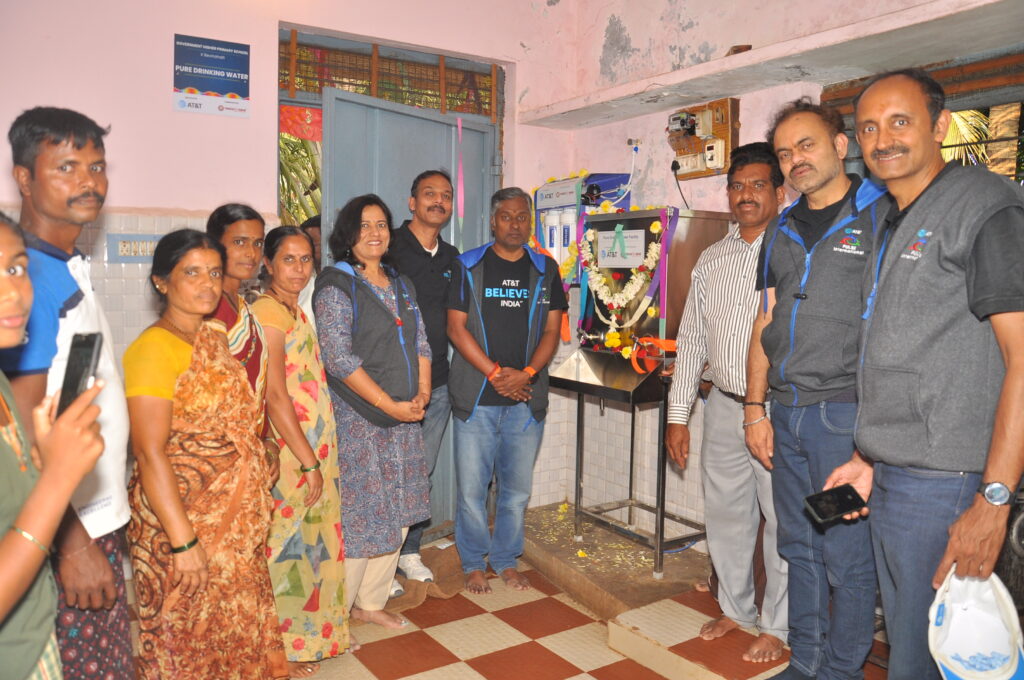
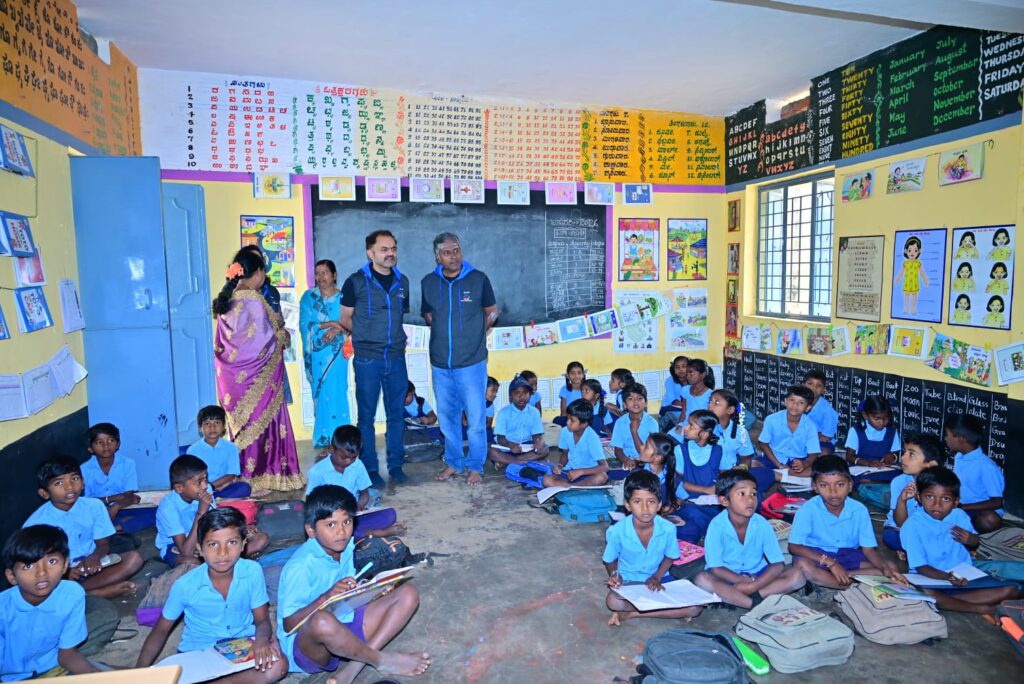
From Common People to Community Heroes
Under the Swagram Fellowship Program, Swagram Mitras are local leaders entrusted with preserving the uniqueness of their villages while actively coordinating with stakeholders to mobilize resources for local needs. They serve as bridges between the community, institutions, and partners, ensuring that development efforts are inclusive, relevant, and sustainable.
In Hosadadaguru, Mangalamma, and Purushottam, and in
K. Bevinahalli, Maheshwarappa YN, and Maheshwarappa H exemplified the spirit of this fellowship.
Their ownership, credibility, and deep-rooted connection with the community played a critical role in mobilizing participation and ensuring collective responsibility for outcomes.
From Recipients to Changemakers
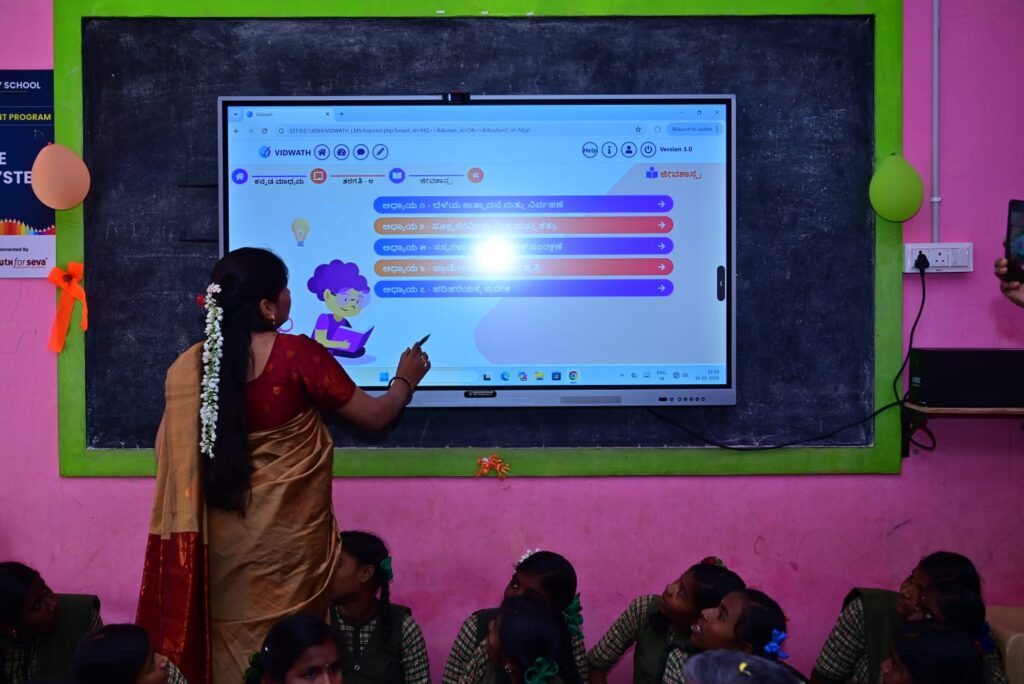
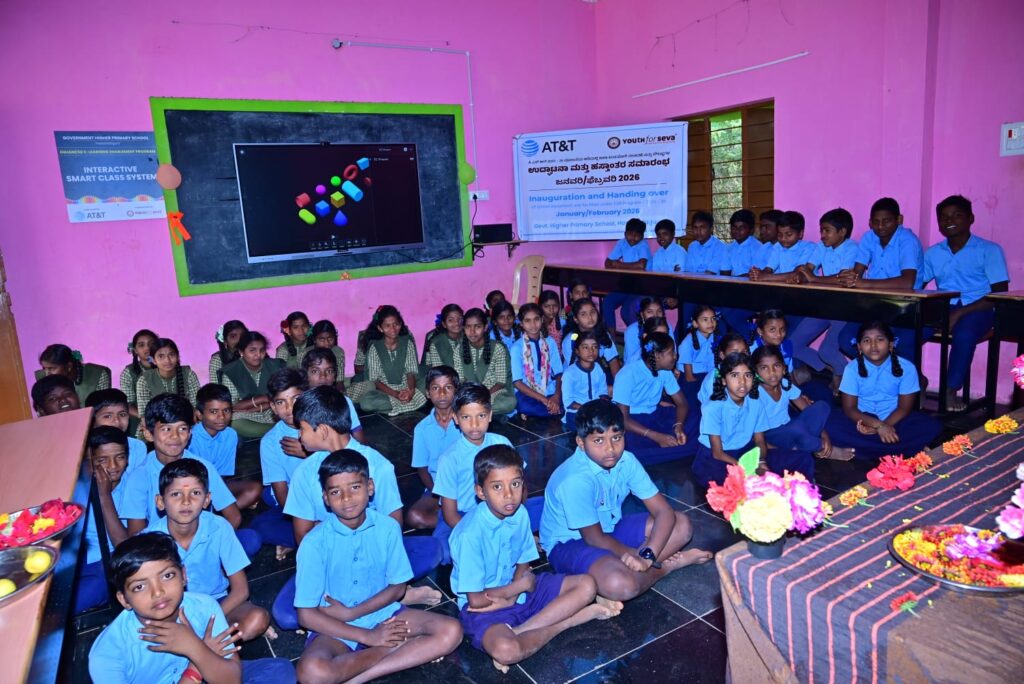
The Joy of giving back to the community.
Unlike conventional CSR models, where communities are often passive recipients, these villages demonstrated a strong willingness to step forward, take responsibility, and work collaboratively for their own development. The Swagram Mitras were central to instilling this confidence—reinforcing the belief that local challenges can be addressed through collective action and resource mobilization.
Because Swagram Mitras are respected and accepted within their communities, they naturally enhance trust and social acceptance for development initiatives. This trust enables smoother coordination, stronger participation, and long-term sustainability.
Aligning with Youth for Seva’s vision
The Swagram Mitra initiative closely aligns with Youth for Seva’s vision of creating a “Self-reliant society powered by socially conscious individuals.” By nurturing grassroots leaders, the organization enables communities to move from participation to ownership—creating a positive ripple effect that inspires more individuals to contribute to societal well-being.
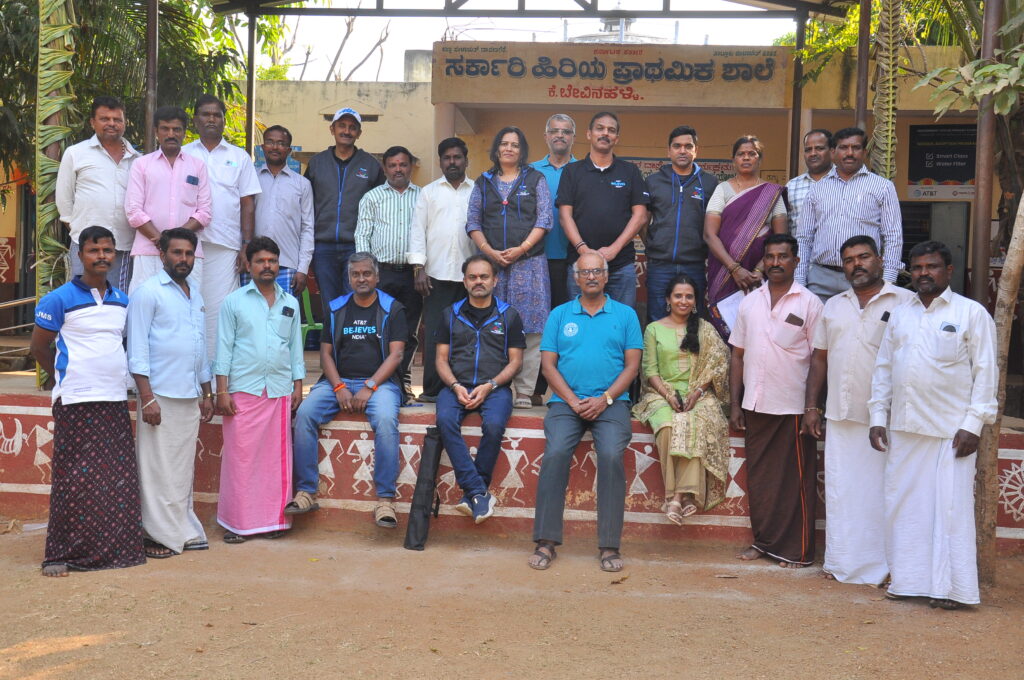
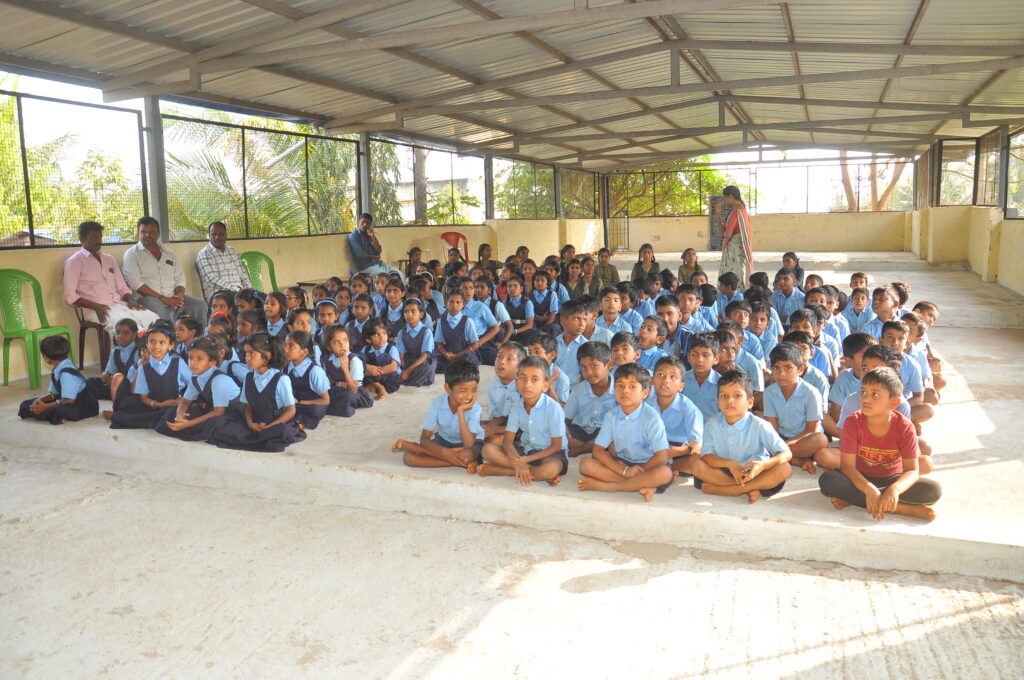
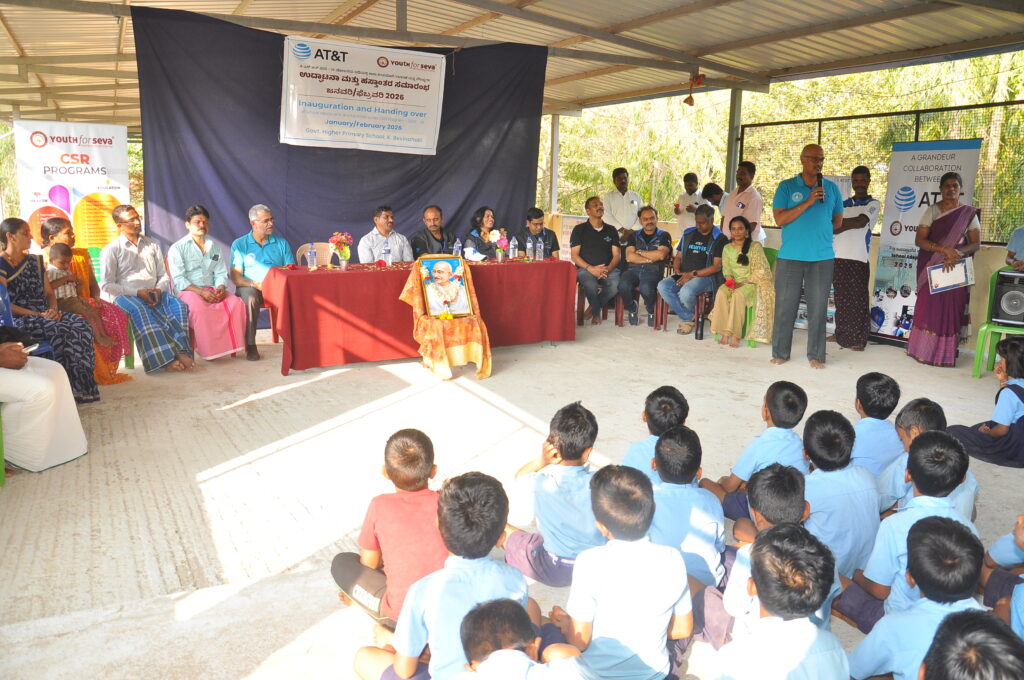
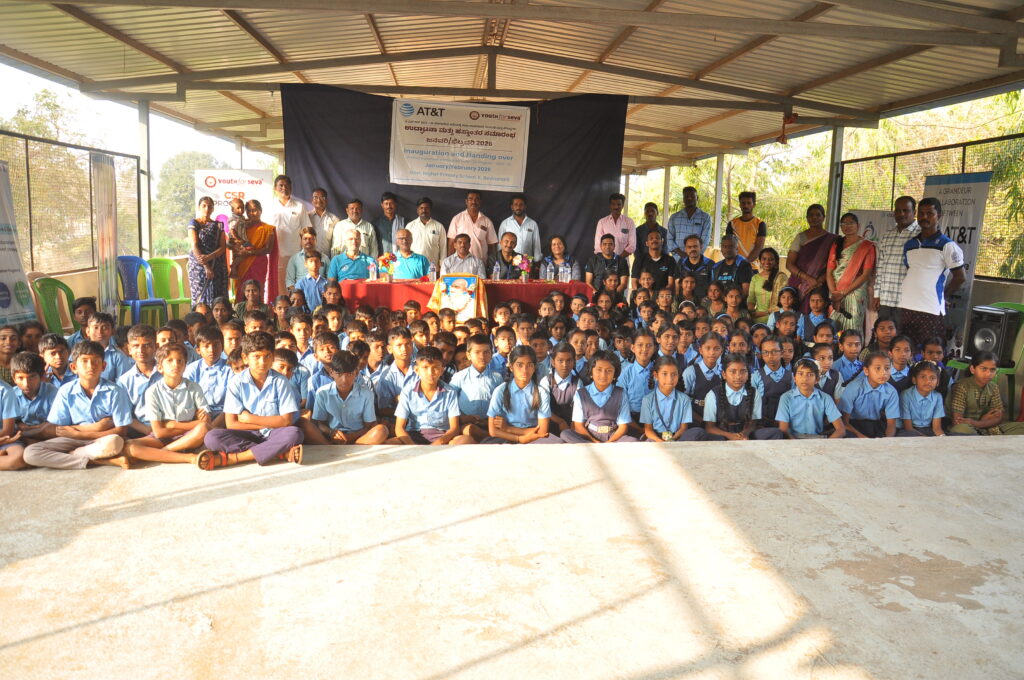
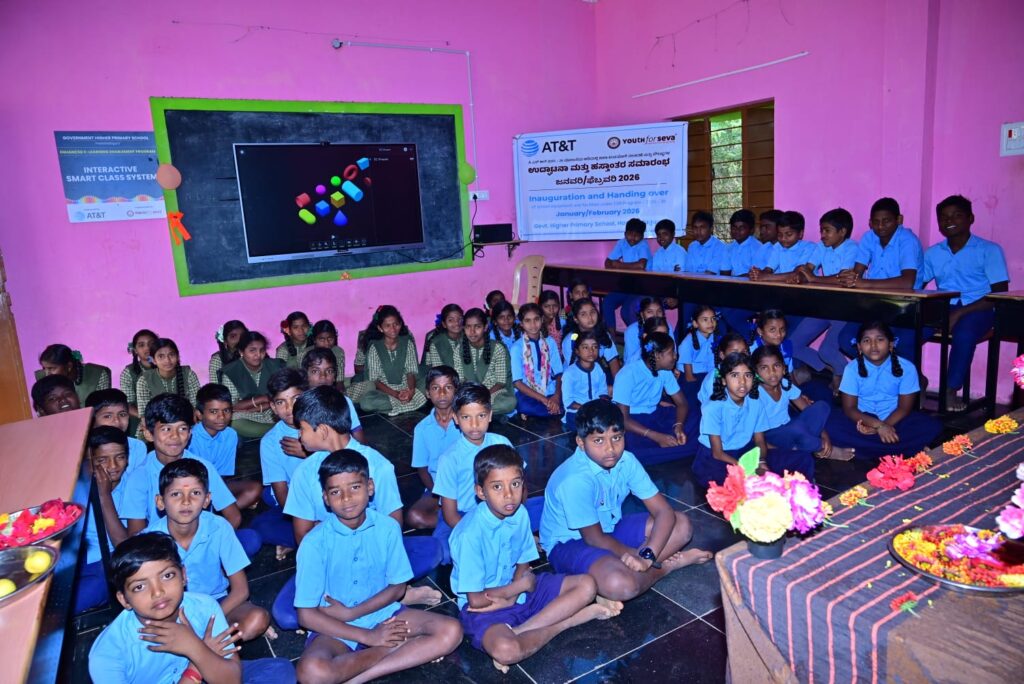
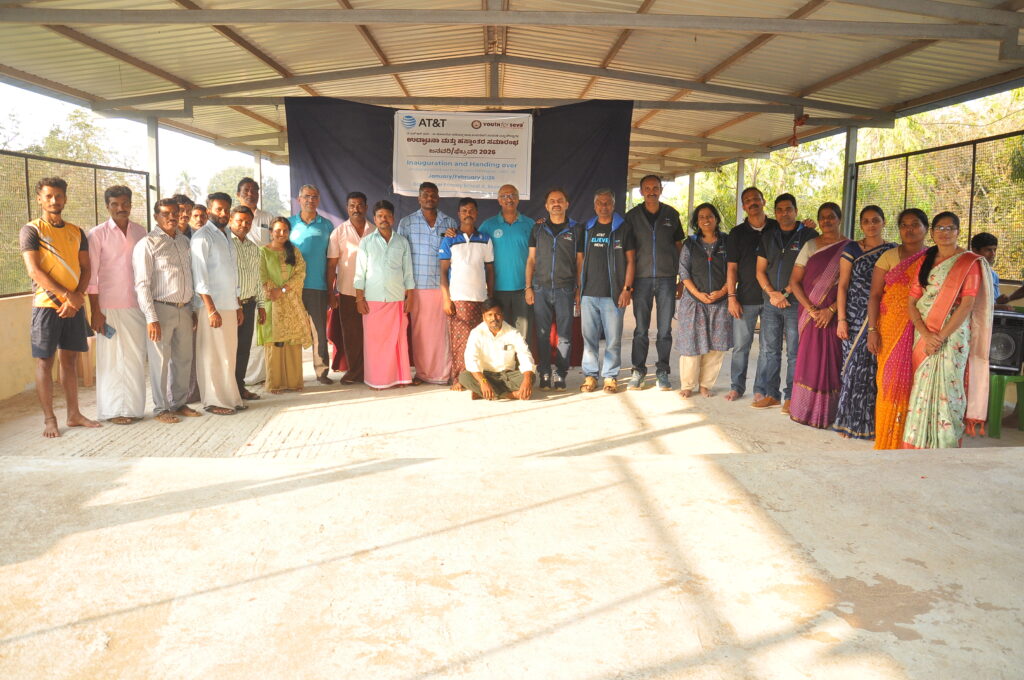
Walking together with the same vision to create an empowered society
The success of this initiative highlights the need to systematically nurture, engage, and collaborate with Swagram Mitras through a structured framework. By strengthening this model, Youth for Seva can scale community-owned development and create a growing network of changemakers across rural India.
Authored By: Vishwanath Sharma, Program Director,
Youth For Seva, Bengaluru
Contact: vishwanath.ak@youthforseva.org
Volunteer your time, skills, or resources to support rural development.